
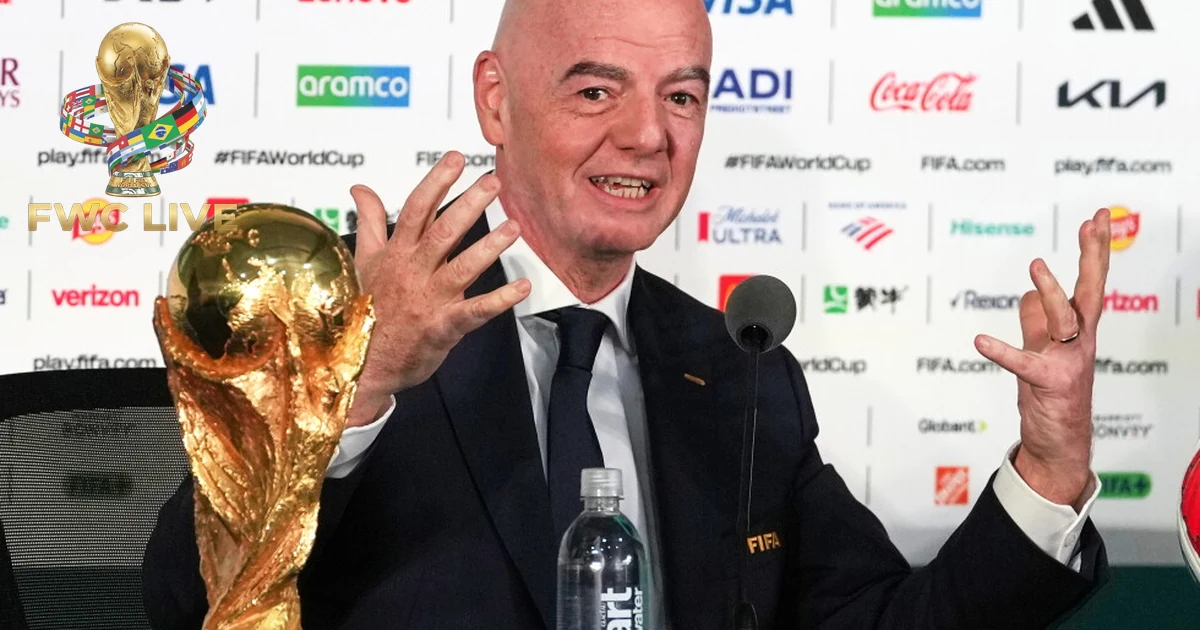
FIFA and FIFPRO have reached a new cooperation agreement that covers transfer rules, health and safety standards, and other major decisions in the game. That makes it one of the most important off-field football stories moving through the World Cup period. The timing matters because player workload and governance pressure are already under a harsh light.
This is not just a ceremonial handshake between institutions that happen to share a calendar. FIFA runs the game's biggest structures, while FIFPRO represents player interests across professional football. When those two bodies agree on how key issues should be discussed, the effect can stretch far beyond one tournament.
Why The New Agreement Matters Now
Player welfare has moved from background talking point to frontline football issue. Bigger tournaments, tighter club calendars, and travel-heavy seasons have left players and unions pushing harder for clearer protections. A formal cooperation deal gives that pressure a more direct route into decision-making.
Transfer rules are just as important because they shape how careers, contracts, and sporting leverage move across the market. If FIFA and FIFPRO are speaking through a stronger framework, future arguments on those rules may become less chaotic and more structured. That does not guarantee easy consensus, but it changes the mechanics of conflict.
The World Cup window gives the agreement extra visibility. Football is already being watched at its largest scale, so any governance shift announced around this period naturally feels bigger. That public attention can also make it harder for either side to let the deal turn symbolic.
What It Says About Football Politics
The relationship between FIFA and player unions has not always moved smoothly. Power, money, and calendar control pull in different directions, especially when the commercial side of the sport keeps expanding. A cooperation agreement matters because it suggests both sides see more value in formal engagement than in public deadlock alone.
That is significant for clubs, leagues, and national teams because they all operate downstream from these bigger rules. If transfer systems or safety standards change at the top, the effects travel quickly into dressing rooms, contracts, and squad planning. The most technical policy debates often become the most practical football consequences later on.
The agreement also helps frame a broader truth about the modern game. Governance is no longer a side lane that fans can ignore until there is a scandal. Decisions on welfare, regulation, and labor shape how football is actually played and who gets protected while it is being staged.
What Could Follow Next
The first test will be whether the agreement starts producing clearer joint positions on specific issues. If discussions on workload, transfer rules, and health standards become more transparent, the deal will gain real weight quickly. If not, it risks being remembered as an elegant headline with limited operational change.
Players and coaches will watch the practical side more than the wording. They want to know whether this kind of agreement changes recovery expectations, match congestion, and the rules that shape movement between clubs. Those are the places where policy becomes real life in football.
For now, the agreement is a strong institutional signal in the middle of the biggest month of the sport. The next phase is proving it can alter decisions, not just relationships. Stay tuned to FWCLive.com for the latest FIFA World Cup 2026 updates.
Frequently Asked Questions
What is the new FIFA FIFPRO agreement about?
The agreement covers cooperation on major football decisions including transfer rules and player health and safety standards.
Why is the FIFA FIFPRO deal important during the World Cup period?
It arrives while player workload, scheduling, and welfare are under heavy focus, which gives the agreement wider relevance across football.
Could the FIFA FIFPRO deal affect clubs and national teams?
Yes. Any shift in transfer rules or welfare standards at the top level can filter into club planning, player movement, and tournament preparation.
This agreement will matter most if it changes how the game handles labor and welfare questions, not just how the two sides sound in public. The headline is strong, but delivery is the real test.
Football keeps growing in scale, so the rules around people and workload have to grow in seriousness too. Stay tuned to FWCLive.com for the latest FIFA World Cup 2026 updates.
Stay tuned to FWCLive.com for the latest FIFA World Cup 2026 updates.