

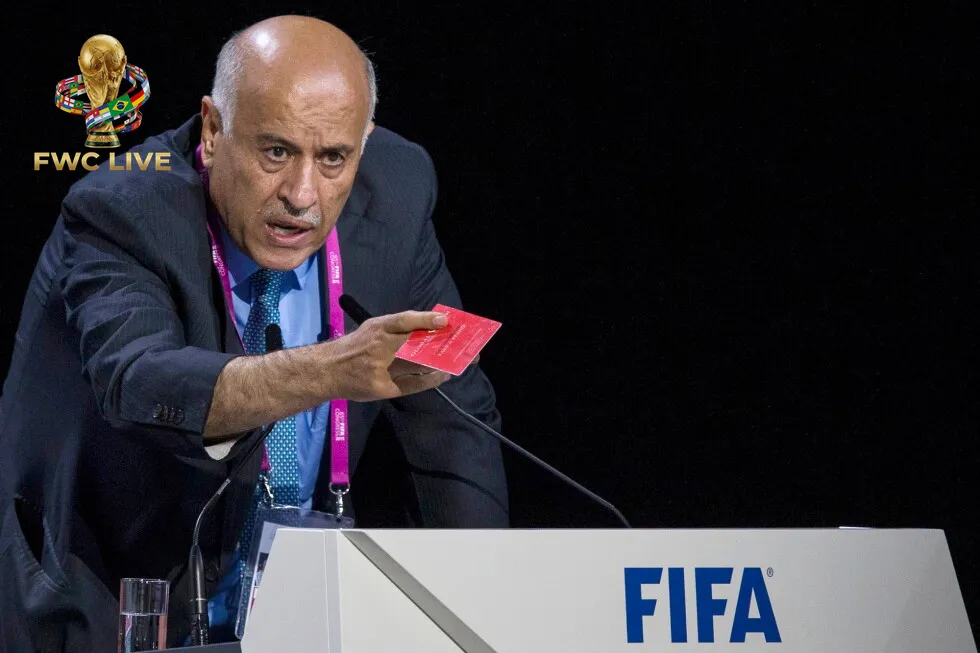
Jibril Rajoub US visa World Cup 2026 concerns have opened another access story around the tournament. The Palestinian Football Association president says he reached Mexico City but still lacked permission to enter the United States. That left an accredited football official split from part of the event map.
The case matters because FIFA frames the World Cup as a global gathering. Federation heads are usually invited as part of that wider football presence. So a blocked trip does not look like a private travel issue only.
Why The Visa Problem Matters
Rajoub did attend the opening match between Mexico and South Africa. His problem began when the tournament path moved toward the United States. That split highlights the strain created by a three-country World Cup where border access is not equally simple for every delegate.
The Palestinian team did not qualify, yet FIFA still treats federation leaders as part of the event. Rajoub said it was unfair to deny football people the right to attend. That complaint lands at a moment when other accredited figures have also faced travel blocks.
The match schedule does not stop for such disputes, but the optics still matter. A tournament that sells unity cannot ignore stories where official guests remain stuck outside part of the host territory.
How FIFA And The United States Fit Into The Story
Gianni Infantino has said FIFA tried to resolve visa issues but cannot overrule governments. That is a practical truth, yet it also sets a limit on FIFA's power during its own biggest event. The governing body can invite people, but states still control entry.
The United States had no immediate public answer on Rajoub's specific case. AP noted that new restrictions on Palestinian passport holders were introduced last year. Those rules have pushed the issue beyond football operations and into wider policy.
That is why this story sits next to other visa debates already covered around FIFA World Cup 2026. Iran visas approved became one route toward stability. Rajoub's case shows the wider access picture is still uneven.
What The Story Means Going Forward
World Cups usually generate ticket, team, and injury headlines first. Visa stories can feel secondary until they affect who can enter the host nation at all. Once that happens, the issue moves closer to the center of tournament credibility.
Rajoub's case also reminds organisers that a shared host map creates shared political risk. One smooth border does not solve another difficult one. That can keep returning as more teams, officials, and media move through the competition.
The football itself will continue. Yet access disputes like this can shape how the event is remembered away from the pitch. That is why the story is bigger than one rejected trip.
Frequently Asked Questions
Who is Jibril Rajoub in this World Cup 2026 story?
Jibril Rajoub is the president of the Palestinian Football Association and says he was not granted a U.S. visa for World Cup events there.
Why is the visa issue important for the tournament?
The case raises questions about access and inclusivity at a three-country World Cup that FIFA presents as a global football celebration.
Did FIFA say it could solve the visa problem directly?
No. Gianni Infantino said FIFA had tried to help but could not overrule the decisions of national governments and border authorities.
Rajoub's trip shows how border policy can cut into even accredited football travel during a World Cup. That tension is now part of the tournament story.
If more cases follow, the issue will keep growing beyond one federation head and one visa file.
Stay tuned to FWCLive.com for the latest FIFA World Cup 2026 updates.
Read Also: Iran Cleared For U.S. Entry Before World Cup 2026