

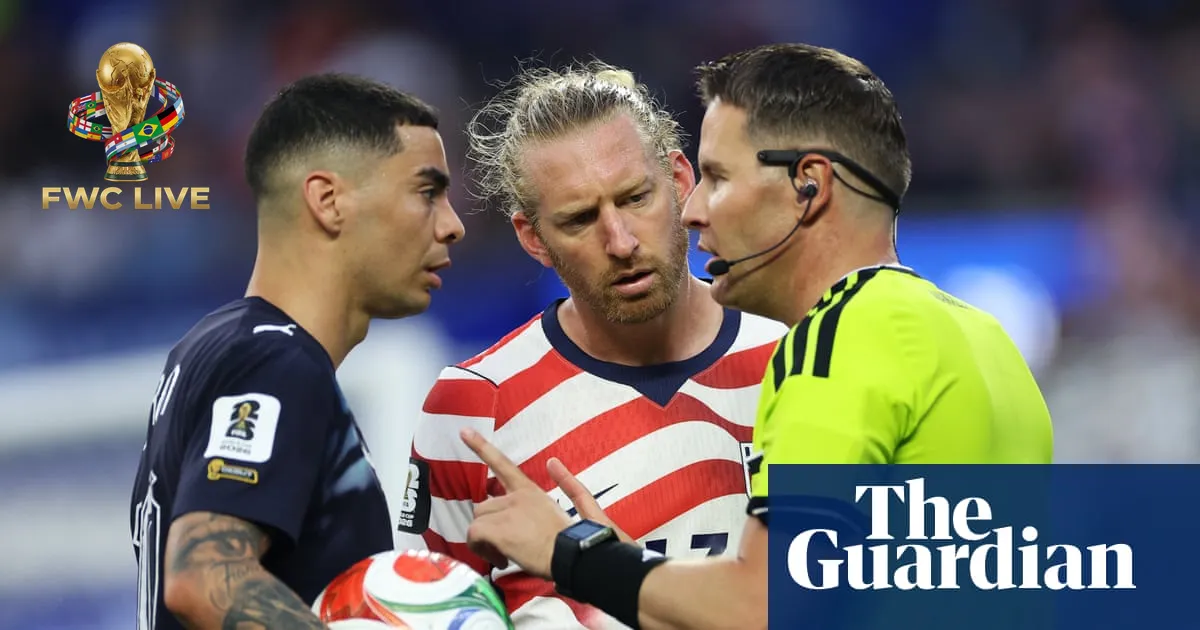
Tim Ream VAR mistaken identity is now part of World Cup 2026 history. The United States defender had a yellow card erased after video review in the win over Paraguay. No player had received that break at the tournament before him.
The moment mattered because yellow cards carry risk across group play. Ream could have spent the next game protecting himself from suspension pressure. Instead, the decision moved the caution to Miguel Almiron for simulation.
Why The Review Was Different
The law change allows referees to fix cards shown to the wrong player. Most fans expect that rule during a crowd confrontation or a blindside incident. Here, the referee used it after a challenge that first looked like a normal foul.
Danny Makkelie booked Ream in the second half after Almiron went down. Ream protested straight away, and VAR then sent the referee to the monitor. The replay showed Almiron had simulated the contact instead of winning a foul.
That switch mattered immediately. Ream kept a clean disciplinary record from the match, while Paraguay lost credibility on that phase. The United States vs Paraguay live score stayed dominant, yet the review still changed a real tournament consequence.
What It Means For The United States
Group matches often turn on small details, and suspensions are one of them. A veteran defender carrying a yellow card into the next game can change how he steps into tackles and duels. Ream now avoids that pressure before Australia.
Tyler Adams did not receive the same relief and still carries a caution forward. So the ruling did not just create trivia. It changed the balance of risk inside Mauricio Pochettino's squad before the next round.
The bigger point is trust in tournament officiating. FIFA World Cup 2026 is using a wider set of technical tools, and this incident showed one of them working with clear purpose. Fans can understand the correction without needing a long explanation.
Why This Rule Could Matter Again
This will not be the last tense review in a 48-team World Cup. More matches mean more chances for crowded penalty areas, fast counters, and mistaken first impressions from officials. A correction tool like this can save teams from avoidable punishment.
The rule will draw more attention now because Ream became the first public example on the biggest stage. Referees may still use it rarely, yet players will know the option exists. That alone can change how coaches discuss game control with defenders.
The United States will care more about points than rule history. Still, tournament history often starts with one practical incident like this. Ream now owns the first reference point.
Frequently Asked Questions
Why was Tim Ream's yellow card removed?
VAR showed that Miguel Almiron had simulated the contact, so the referee overturned the caution on Tim Ream and booked Almiron instead.
What is the mistaken-identity VAR rule?
The rule lets referees use video review to remove yellow or red cards shown to the wrong player after an incorrect on-field decision.
Why did the decision matter for the United States?
It kept Ream clear of a group-stage yellow card and removed a possible suspension risk before the United States face Australia.
Ream did not score or assist, yet he still left the night with a unique place in tournament history. One review changed both the match record and the next-game outlook.
That is a small story on paper. It can become a big one if another group game turns on the same rule.
Stay tuned to FWCLive.com for the latest FIFA World Cup 2026 updates.
Read Also: U.S. Fans Turn SoFi Into A Soccer Statement